Brand Partnerships, Trends, and What’s Ahead
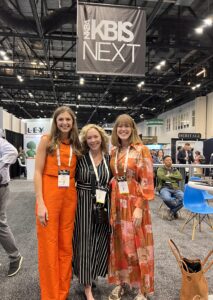
KBIS has always been one of my favorite shows to attend, and this year I got to see the show in a totally new light. At Ramey, we have done everything from minor booth support and collaborations, to entire booth design, planning, setup, show support and marketing / media activations. This year, I was selected as part of the NKBA’s 30 Under 30 class, which gave me the opportunity to experience the show in a new way and connect with new professionals across the industry.
 .
.
Throughout the week at KBIS, I attended the Design Awards Show and Opening Party, participated in exclusive 30 Under 30 events, and listened to panels featuring industry leaders like Bill Darcy and Future Snoops. I also spent time visiting sponsor booths, including Fabuwood and Kohler, and reconnected with both new and longtime industry friends along the way. Across all of these events, a few themes and trends really stood out.
BRAND PARTNERSHIPS
They were everywhere, and not just partnerships with designers. Brands are continuing to recognize the power of collaborating with other leading brands in the industry.
Our client and friends at Thor Kitchen debuted their new induction range that is powered by Impulse. Innovation is at the core of both brands, so there is a natural synergy in bringing them together for this exclusive product.

In the West Hall, JennAir partnered with Kerrie Kelly – the current NKBA Chairman of the board and interior designer, author, speaker, and influencer – to design their kitchens. In addition to that thoughtful and impactful partnership, they featured a refrigeration panel collaboration with Dekton by Cosentino, and Fabuwood Cabinets drenched in Sherwin Williams paint. To build even more momentum and buzz around these partnerships, they hosted an exclusive event celebrating the collaboration.
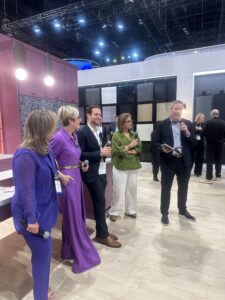
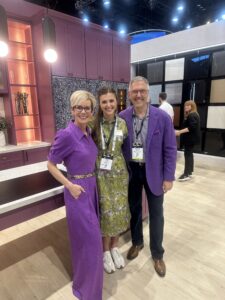
Time and time again, we see that when strong brands come together to create something exclusive, it sparks both magic and inspiration.
STATE OF THE INDUSTRY
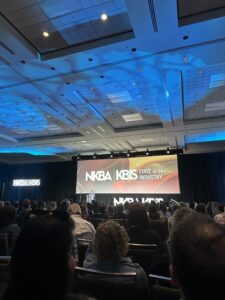
Some of my favorite takeaways came from the state of the industry session with Future Snoops.
Gen Z and Millennials – A Shift in Home Buying
Our team at Ramey has been closely tracking these generations and their spending habits, motivations, and decision drivers. Gen Z and Millennials are projected to make up 80% of the luxury market by 2030 and by 2040, they will account for $74 trillion of worldwide wealth. But there is something fundamentally different about these generations compared to those before them.
As stated by Jaye Anna Mize, “These generations don’t care about marriage, formality, or staying put.” Mize said. “They want experiences. They don’t want white picket fences. So when the timeline shifts, the question shifts with it. Instead of asking ‘What does my dream kitchen look like?’ — consumers increasingly ask, ‘How do I make this kitchen work better for the next five to seven years?’ That isn’t a stylistic change; it’s a structural recalibration.”
Premium is now reliability.
NEW SHOPPING HABITS, MARKETING, AND AI
Historically, consumers had a general idea of what they wanted their home or renovation to look and feel like, relying heavily on their designer to bring that vision to life. Now, with the help of AI, many are coming to designers with highly specific lists of products, brands, layouts, and details they want incorporated into their projects.
Mize highlights that we are “…seeing a move from open-ended discovery toward guided decision-making.”
Search engines are transforming. Instead of giving you a list of links, they now use AI to give direct answers. That means fewer people are clicking through to websites, a trend called zero-click search.
Ramey is ahead of this shift. We use new tools to see how brands show up inside AI platforms like ChatGPT and other AI assistants. These tools show us where AI is pulling information from, what sources it trusts, and how it describes a brand.
With that insight, we can spot gaps and opportunities. For example, we can help shape conversations happening on platforms like Reddit and Quora, and create helpful content on owned channels that AI is more likely to reference. In short, we help brands show up in the answers, not just in search results.
At the same time, we know brand building doesn’t happen in one moment. People interact with brands across many touchpoints before making a decision. That’s why we look at the full customer journey and use AI and smart media strategies to make marketing campaigns more precise, efficient and impactful.
The goal is simple: make sure your brand shows up in the right place, at the right time, in a way that drives real business growth.
THE KITCHEN
Daily life is evolving.
- 60% of workers are hybrid
- Only 14% of new homes include a dedicated formal dining room
- Three quarters of new builds integrate the kitchen into the main living space
The kitchen has become the catch-all for daily life. Studying, working, entertaining, cooking, hosting dinners, you name it. That means the products and brands incorporated into these spaces play a meaningful role in consumers’ everyday lives and routines. They need to be reliable, but also reflective of the consumer’s lifestyle, personality, design preferences, and values.
If you found this interesting, you can read more on the state of the industry in this blog by the NKBA.
KBIS 2026 made one thing clear: Our industry is evolving quickly. From bold brand partnerships to AI-driven decision-making and shifting generational priorities, change is happening everywhere. The brands that will win are the ones that adapt, collaborate, and design for how people truly live today. I left inspired and excited for what’s ahead.

Written by